TINWING

Vacuum Pressure Impregnation Furnaces

Custom systems for resin impregnation of carbon composite preforms, integrating vacuum, pressure, heating and liquid handling around your process.

Engineered Around the Preform & Resin

TINWING develops vacuum pressure impregnation equipment as a coordinated system of process vessel, resin tank, transfer piping, heating, vacuum, pressure and controls. Vessel size, loading access and the resin circuit are configured for each project.

For carbon/carbon composite preforms, vacuum supports resin filling and pressure drives the liquid into accessible pores. Excess resin is returned to the storage tank. A compatible system can then carry out pressure curing before the parts move to subsequent carbonization equipment.

Parts & working space Plate-shaped and cylindrical carbon composite preforms, with the process chamber and removable container sized for the batch.
Resin & thermal cycle Resin temperature, viscosity, transfer conditions and cure requirements determine heating, agitation and piping design.
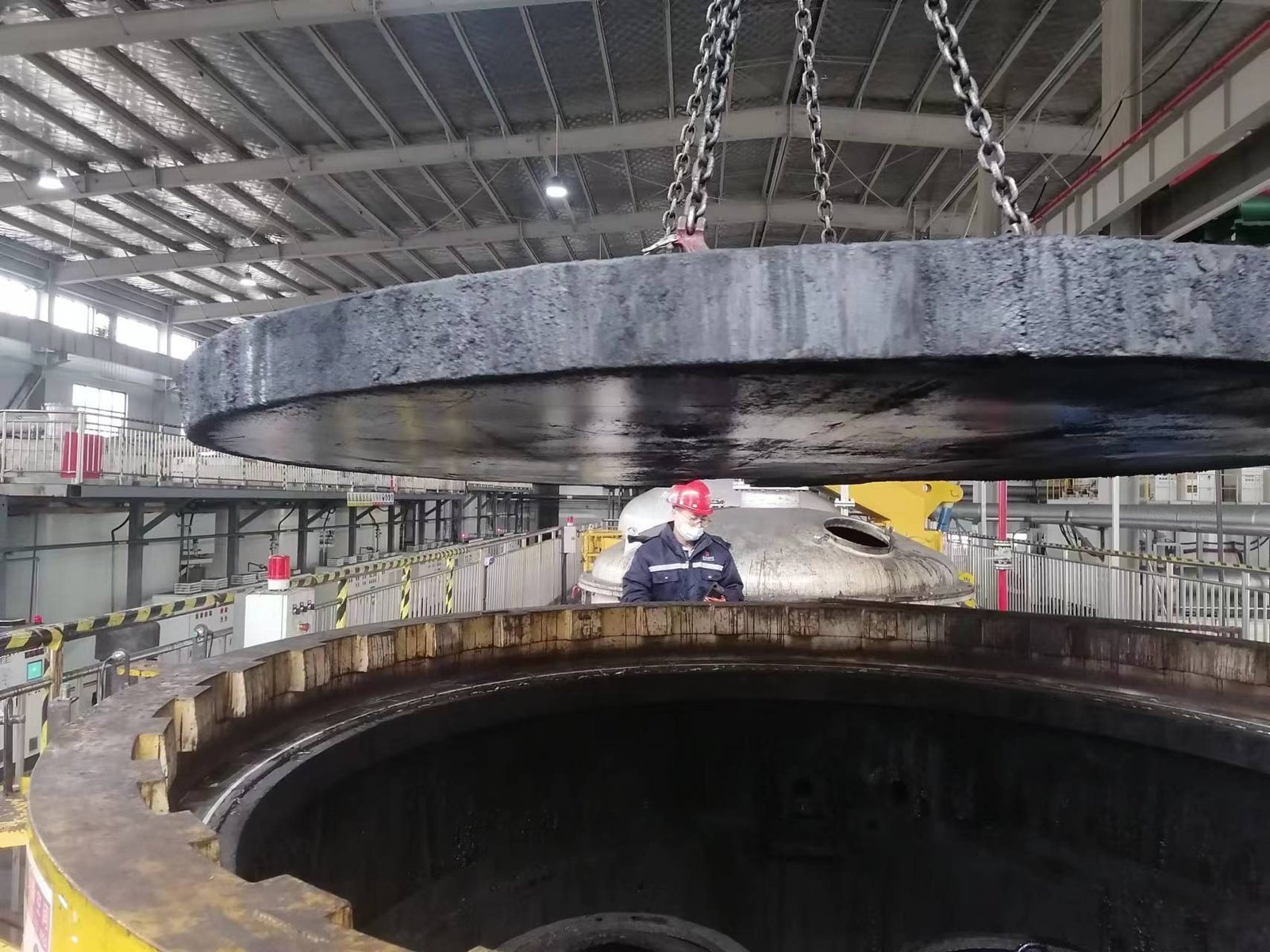
Loading & plant layout Top-loading access, lid movement, lifting clearances, operating platforms and maintenance space are coordinated with the installation.

View the technical scope →

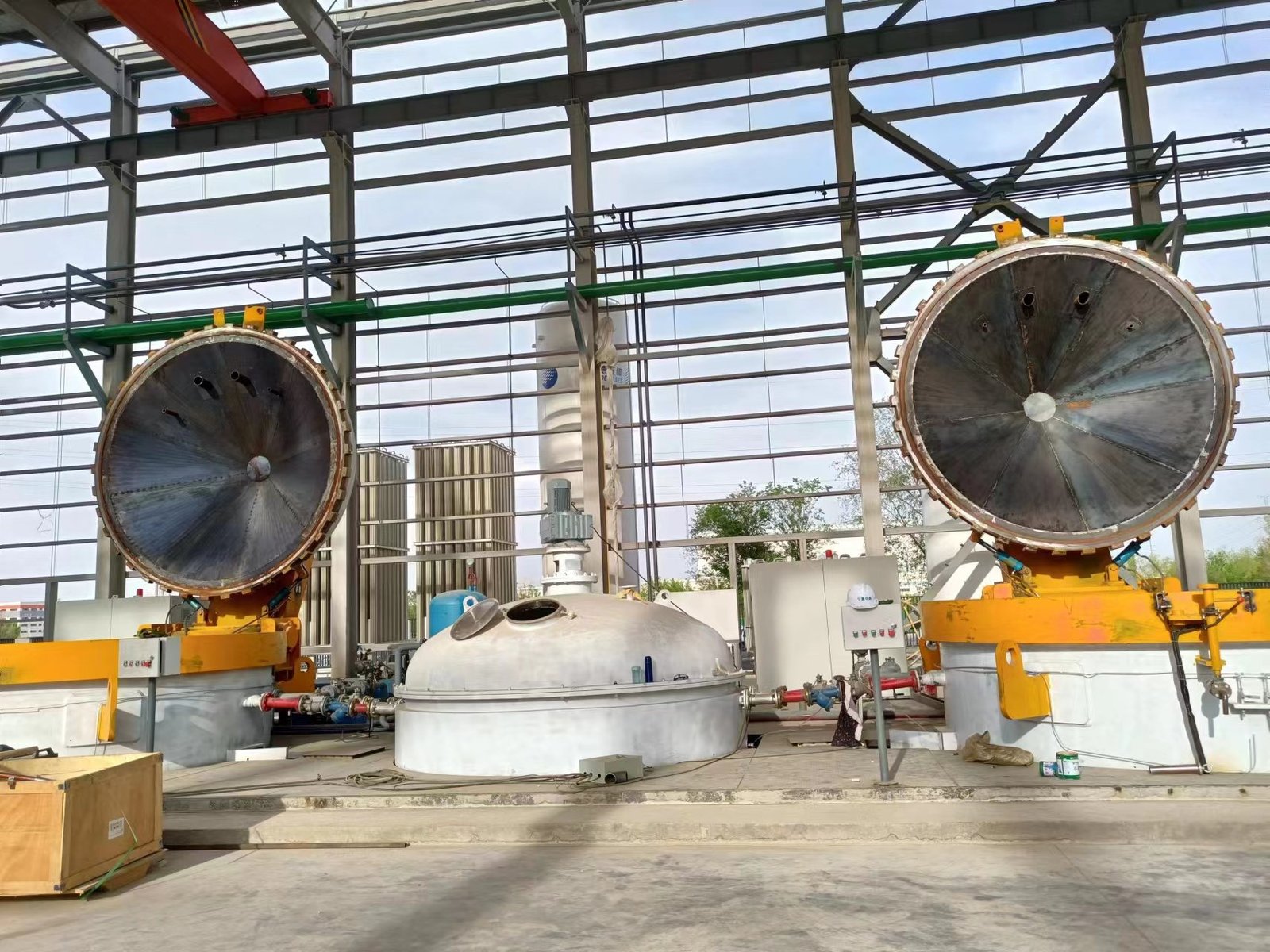
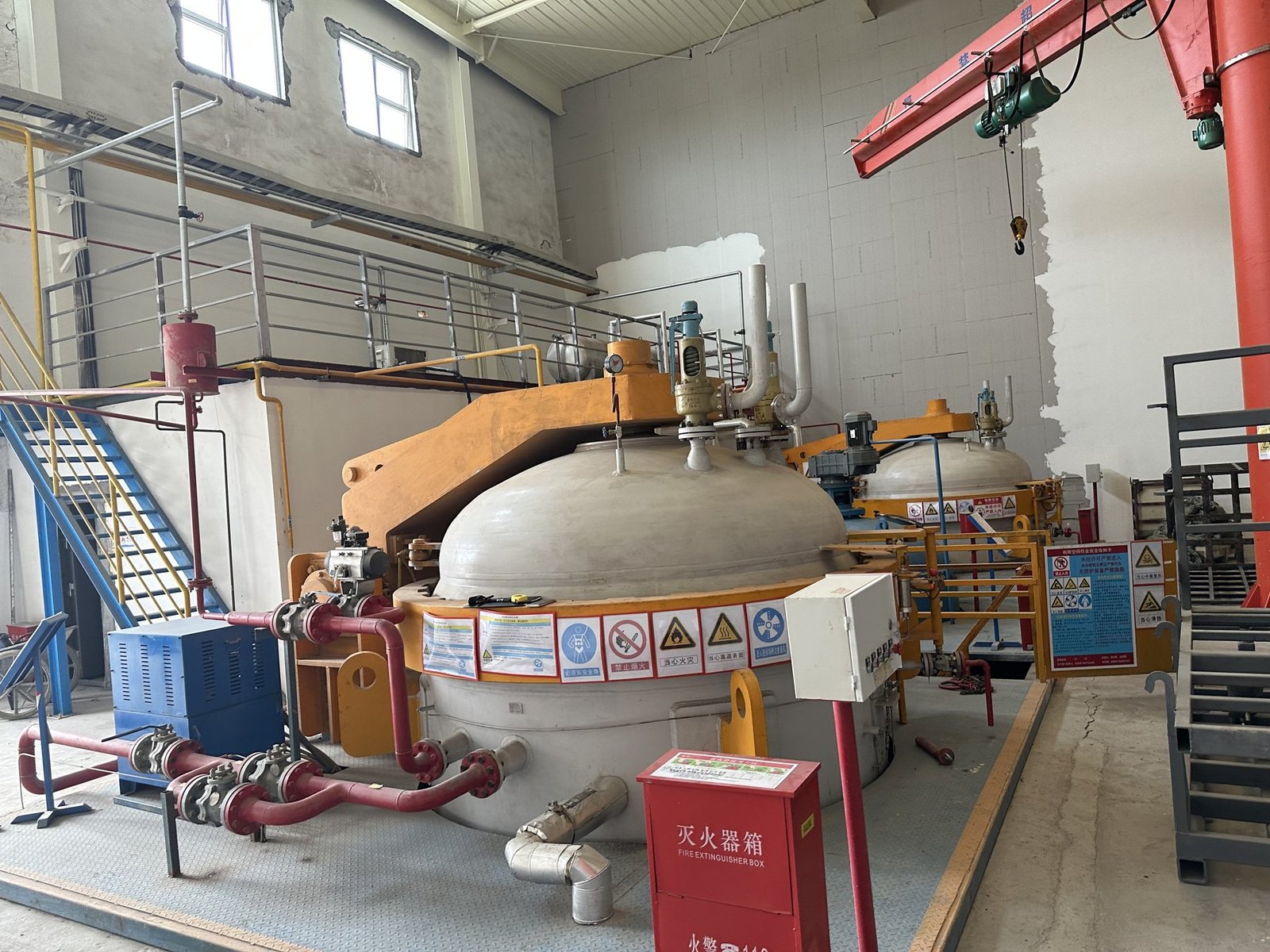
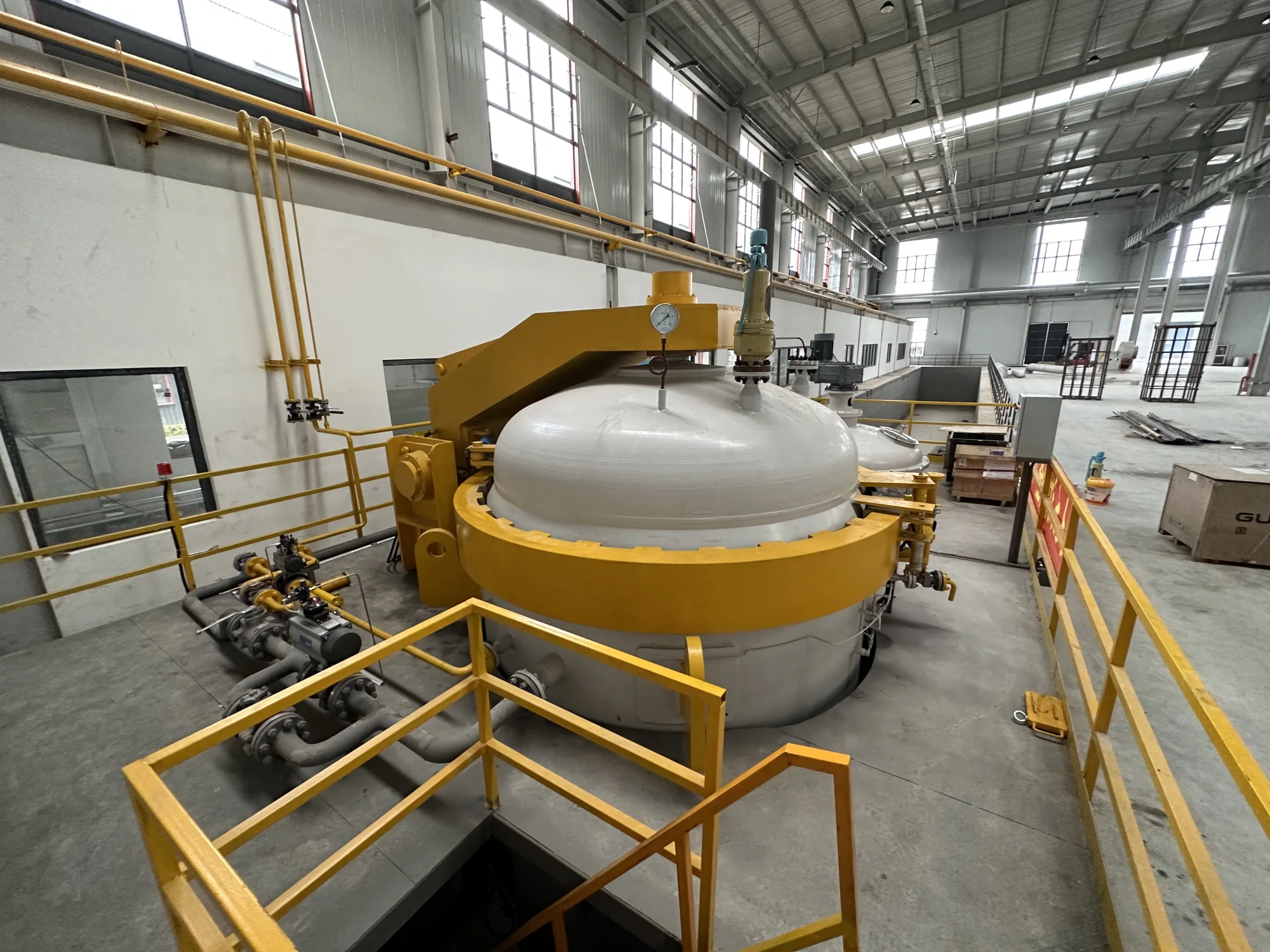
Vertical vacuum pressure impregnation vessel with a top-opening lid and access platform Vertical impregnation vessel with a top-opening lid and access platform.

From Resin Preparation to Pressure Curing

The liquid circuit and process vessel are engineered together, including resin transfer, recovery and access for cleaning.

Resin Storage & Preheating

A separate resin tank can incorporate agitation, temperature measurement, level monitoring and controlled heating. Hot-water jacket and coil heating or thermal-oil heating are selected to suit the resin and project duty.

Tank volume, wetted materials and the heating circuit are specified with the intended liquid.
Impregnation Vessel & Container

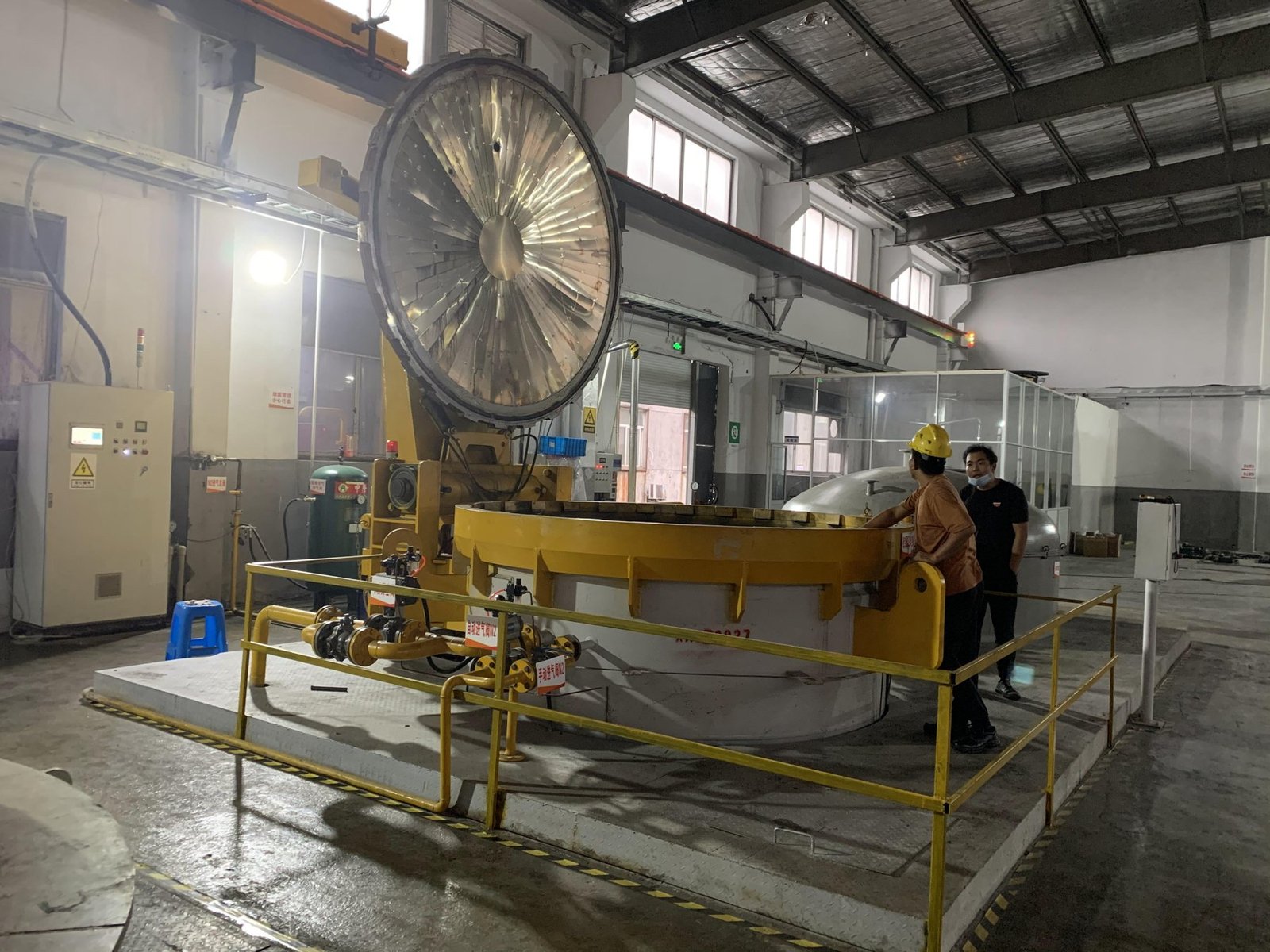
The vertical pressure vessel houses an insulated heating chamber and a removable impregnation container. The container and its supports accommodate the preform batch, resin collection and lifting arrangement.

Hydraulic lid and locking mechanisms provide top access, with their movement and opening space defined in the layout.

Vacuum Filling

Vacuum draws conditioned resin from the storage tank into the process container. The vacuum circuit includes isolation valves, measurement and a buffer vessel, with the pump arrangement selected for the required duty.

A complete pump package or an interface to a customer-supplied vacuum unit can form part of the agreed scope.

Pressure Impregnation & Resin Return

Controlled gas pressure supports resin penetration into the preform and returns excess liquid to the storage tank after impregnation. Nitrogen supply, pressure regulation and exhaust connections are defined for the process.

Resin-level signals and valve interlocks coordinate filling and return.

Zoned Heating & Curing

Stainless-steel tubular electric heaters are distributed around the chamber and base. Independent zones and process sensors control the temperature profile; externally accessible heater connections support maintenance.

In-vessel pressure curing is configured where required by the resin system. Carbonization is a separate downstream process.

Transfer Lines, Cooling & Cleaning

Resin-transfer and return lines use compatible valves, detachable connections and drainage arrangements. Pipe slopes, collection points and access are considered to limit retained resin and support cleaning.

Jacket cooling, vessel and lid cooling, and site-water interfaces are specified for the selected arrangement.

Coordinated Control & System Protection

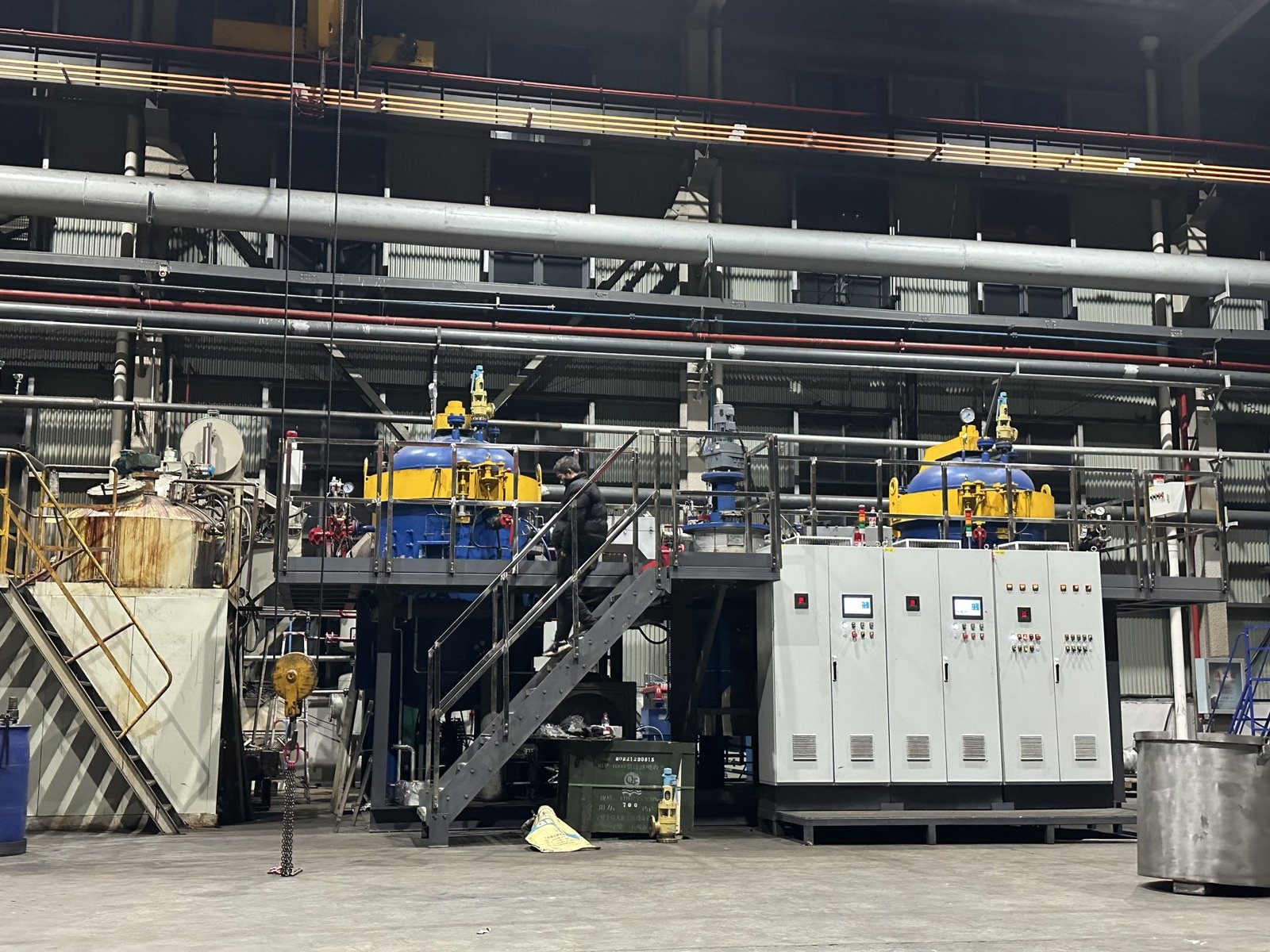
Monitor the process vessel and resin circuit from one control system, with automation matched to the application.

Process Settings & Records

PLC & operator interface

PLC and touchscreen controls coordinate temperature, pressure, vacuum, liquid level and valve status. Manual, semi-automatic or automatic functions are defined with the process sequence.

Supervisory control & history

A supervisory computer can provide equipment-status displays, trend history and report printing. Recording channels, alarm history, communication interfaces and retention requirements are specified for each project.

Resin-circuit monitoring

Tank temperature and level measurements support preheating, agitation, filling and return. Heating-zone measurements and electrical readings can be included in the process display.

Interlocks & Protective Functions

Lid, locking & pressure

Position feedback and locking interlocks prevent pressurization before closure is secured. Opening safeguards incorporate zero-pressure confirmation and mechanical protection.

Vacuum & liquid transfer

Vacuum and pressure isolation protect the vacuum circuit. High and low liquid-level alarms and coordinated inlet/return valves form part of the specified resin-handling controls.

Temperature, cooling & relief

The protective scope includes overtemperature and overpressure alarms, safety relief devices and electrical protections. Cooling-water monitoring and exhaust interfaces are matched to the supplied system.

Custom Configuration & Technical Data

Working space, vacuum duty, pressure, temperature and resin-handling requirements are defined together for each system.

Configuration Scope

Process vessel Vertical chamber, removable impregnation container, lid mechanism, lifting and platform arrangement.
Resin circuit Storage/preheating tank, agitation, level measurement, transfer and return piping, and cleaning access.
Thermal & pressure systems Zoned electric heating, vacuum equipment or interfaces, gas-pressure regulation and cooling provisions.
Controls & installation Automation, process records, relief and exhaust connections, utilities and the agreed inspection scope.

Specifications for the Actual Process

Vacuum performance is stated with its pressure reference and test conditions. Heating performance and temperature uniformity are specified with the working zone, load and measurement method.

Resin chemistry, viscosity, wetted-material compatibility and cleaning requirements determine the liquid circuit. Required impregnation results and subsequent curing or carbonization stages are reviewed with the material process.

Request a technical proposal →
Specifications for Your Impregnation System

The equipment specification covers the batch, resin handling, process cycle and factory connections.

Usable working diameter × height Preform batch & container capacity Resin type, viscosity & tank volume Operating / design temperature Operating / design pressure & gas Vacuum level, pressure reference & pump-down time Leak / pressure-rise test requirement Heating rate, uniformity & test load Installed power & site utilities Applicable vessel code & inspection scope

Documentation & Installation Scope

Define the boundary between the supplied equipment and the factory services before installation.

Engineering & Equipment Records

Arrangement and maintenance drawings, instrument documents, inspection and test records, and standard and custom spare-parts lists are included in the agreed document package.

Factory Interfaces

The technical agreement identifies responsibility for vacuum pumps, nitrogen supply, cooling water, electrical service, lifting equipment and connections to the factory exhaust-treatment system.

Operation & Maintenance

Control-system instructions, operating and maintenance manuals, installation and commissioning requirements, and resin-circuit cleaning provisions are defined with the project scope.

Discuss Your Custom Impregnation System

Share your preform dimensions, resin specification, impregnation cycle and installation requirements so we can develop the equipment configuration.

Scroll to Top