
Pressure-cured composite parts
For composite panels or structures with a specified pressure cure. Check the combined footprint of the parts and fixtures, plus the number of tools loaded in each cycle.
Composite Curing Autoclaves →
☰ Menu
Vacuum Pressure Impregnation Furnaces
For composite panels or structures with a specified pressure cure. Check the combined footprint of the parts and fixtures, plus the number of tools loaded in each cycle.
Composite Curing Autoclaves →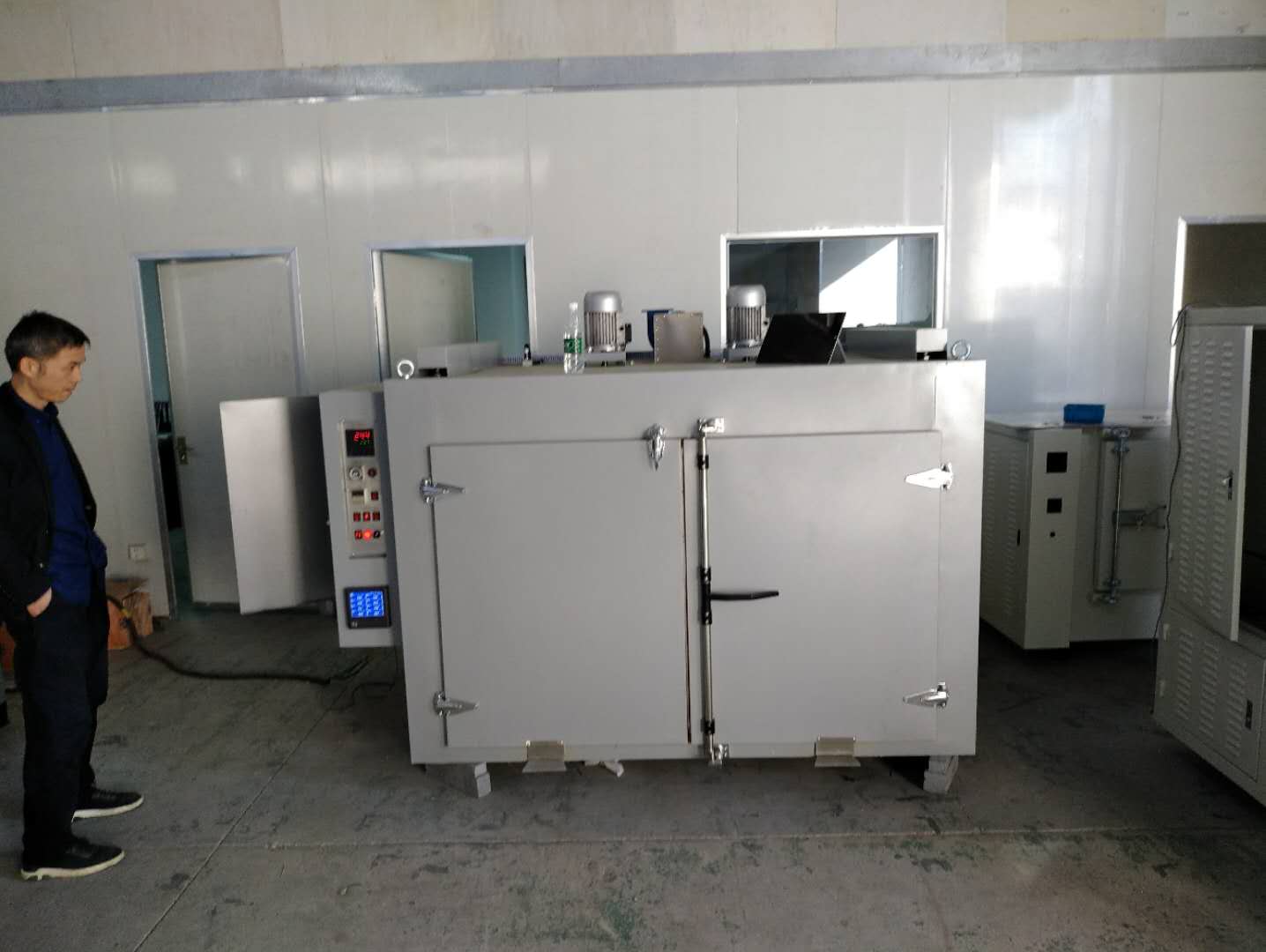
For validated oven cure or post-cure cycles. Match the chamber to the racks or trolleys, the number of parts per batch and the airflow needed around the load.
Composite Curing Ovens →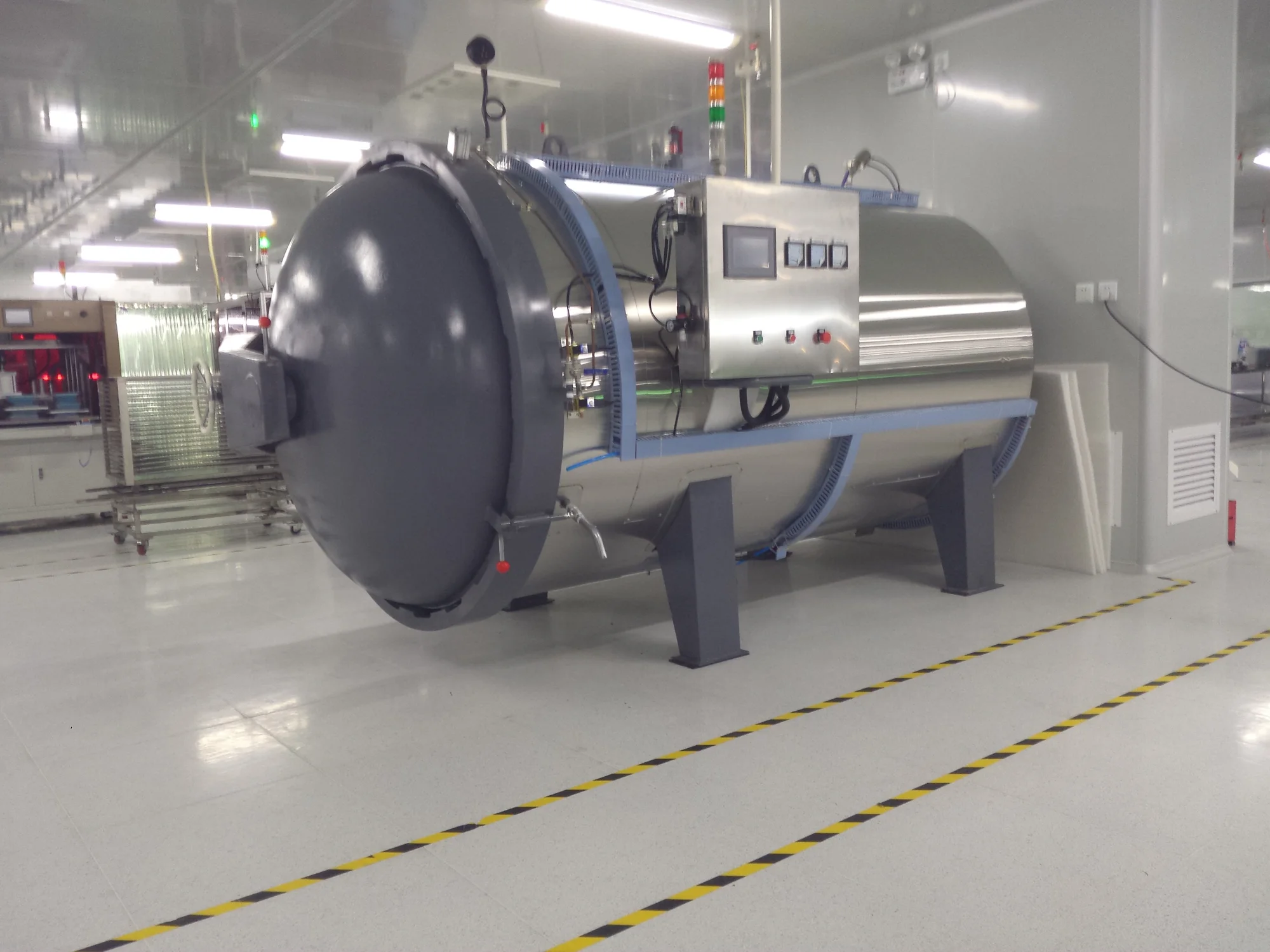
For rubber parts with a vessel-based cure specification. Hose length, mandrels, batch supports and the heating medium guide the loading and vessel configuration.
Rubber Vulcanizing Autoclaves →Share the part family, dimensions, target batch size, cycle requirements and available loading space so we can review the equipment layout.