TINWING

Metal Powder Atomization Equipment

Vacuum induction melting and inert-gas atomization for alloy powder production. Melting, metal delivery, atomization and collection are configured as one system.

From Alloy Charge to Collected Powder

A vacuum induction gas atomization (VIGA) system melts the metal charge by induction heating. A controlled pour feeds a heated tundish, then a high-pressure inert-gas jet breaks the molten stream into droplets that cool and solidify in the atomization tower.

The equipment range covers iron-, nickel- and cobalt-based alloys and selected lower-melting alloys. Alloy chemistry, melt temperature and the required powder characteristics guide the crucible, gas supply and atomization configuration.

Alloy preparation Review charge composition, batch weight, crucible compatibility and the required melt and holding temperatures.
Powder requirements Define the target particle-size distribution, oxygen content, morphology and downstream powder use at the start of the project.

Explore the process systems →

Tall atomization installation with platforms, chamber and cooling-water pipework Atomization equipment, access platforms and utility pipework.

An Integrated Powder Production System

The melting chamber, heated metal transfer, atomization tower and powder collectors are designed around the alloy and production requirement.

Vacuum Induction Melting

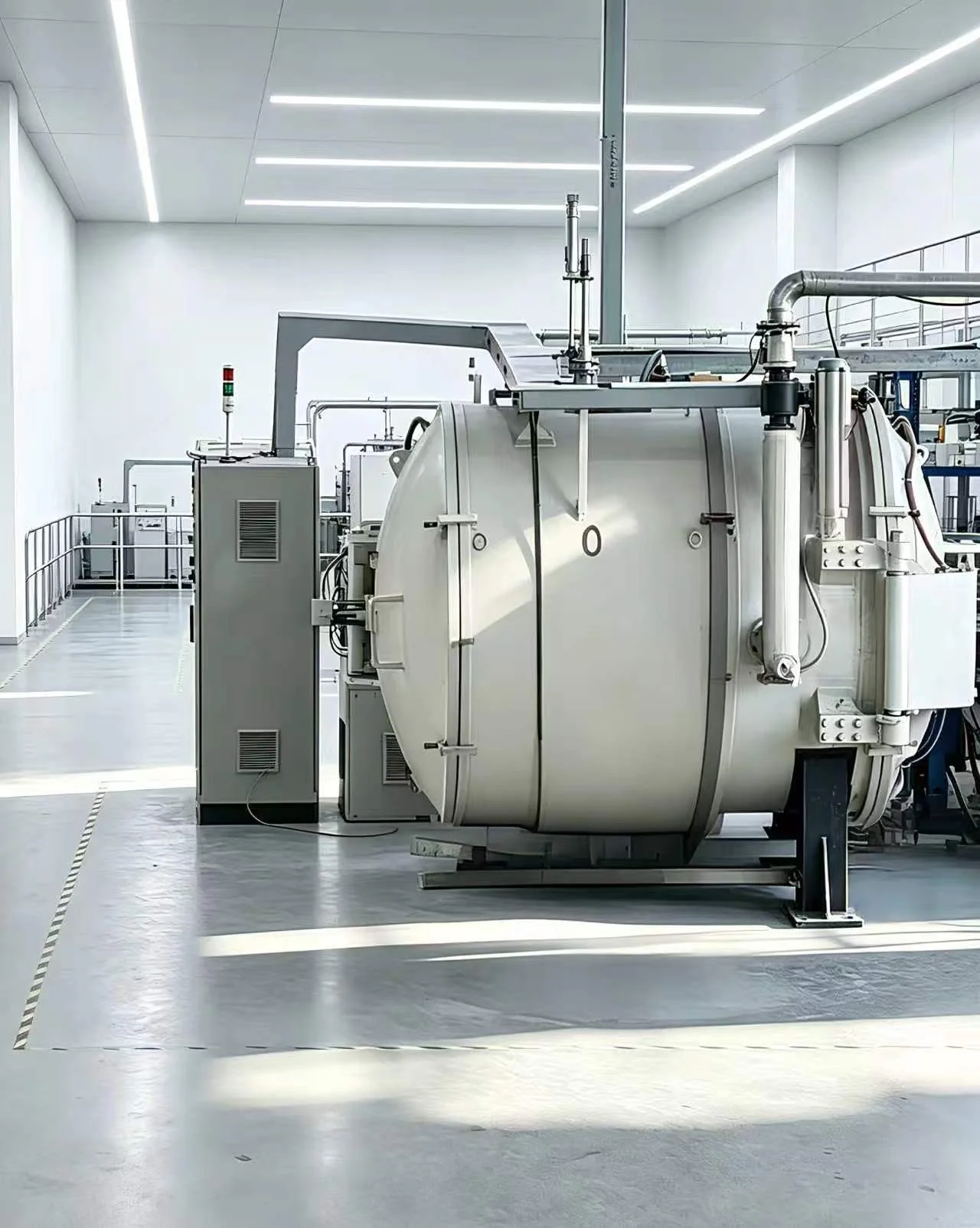
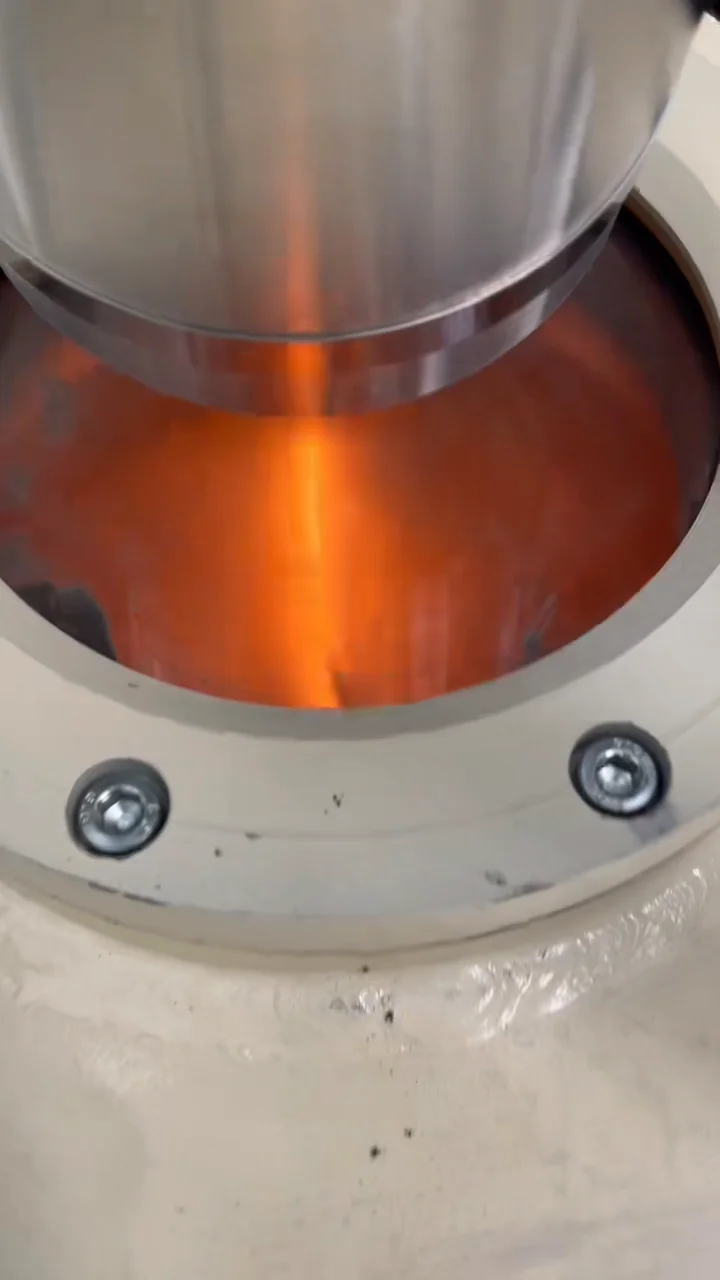
A water-cooled melting chamber houses the induction crucible and alloy-addition mechanism. Hydraulic tilting controls the pour, while viewing ports, infrared measurement and an immersion thermocouple support melt observation and temperature checks.

Heated Tundish & Gas Atomization

A separately heated tundish holds the melt before it reaches the nozzle. The inert-gas manifold provides pressure regulation and monitoring. Nozzle selection, gas supply and pouring conditions are matched to the alloy and powder target.

Atomization Tower

Droplets cool and solidify as they travel through the tower. The VIGA200 reference uses a water-cooled chamber with an internal diameter of 1,800 mm and a height of 7,000 mm, plus viewing and cleaning access.

Powder Collection & Dust Separation

The main collector is sized for a furnace batch, with cyclone collection and downstream dust separation. The reference main collection vessel has water cooling and fork-access clearance for handling.

Utilities, Control & Access

Vacuum & Process Monitoring

The reference vacuum package combines backing and Roots pumps with isolation valves and filtration. PLC control monitors chamber vacuum, melt and tundish temperature, gas pressure and cooling-water conditions, with interlocks for the pump and valve sequence.

Cooling & Gas Services

Water circuits serve the melting chamber, atomization tower, induction coil, power supplies and vacuum equipment. Gas pressure, flow demand and storage or supply capacity are defined for the selected atomization process.

Installation & Maintenance

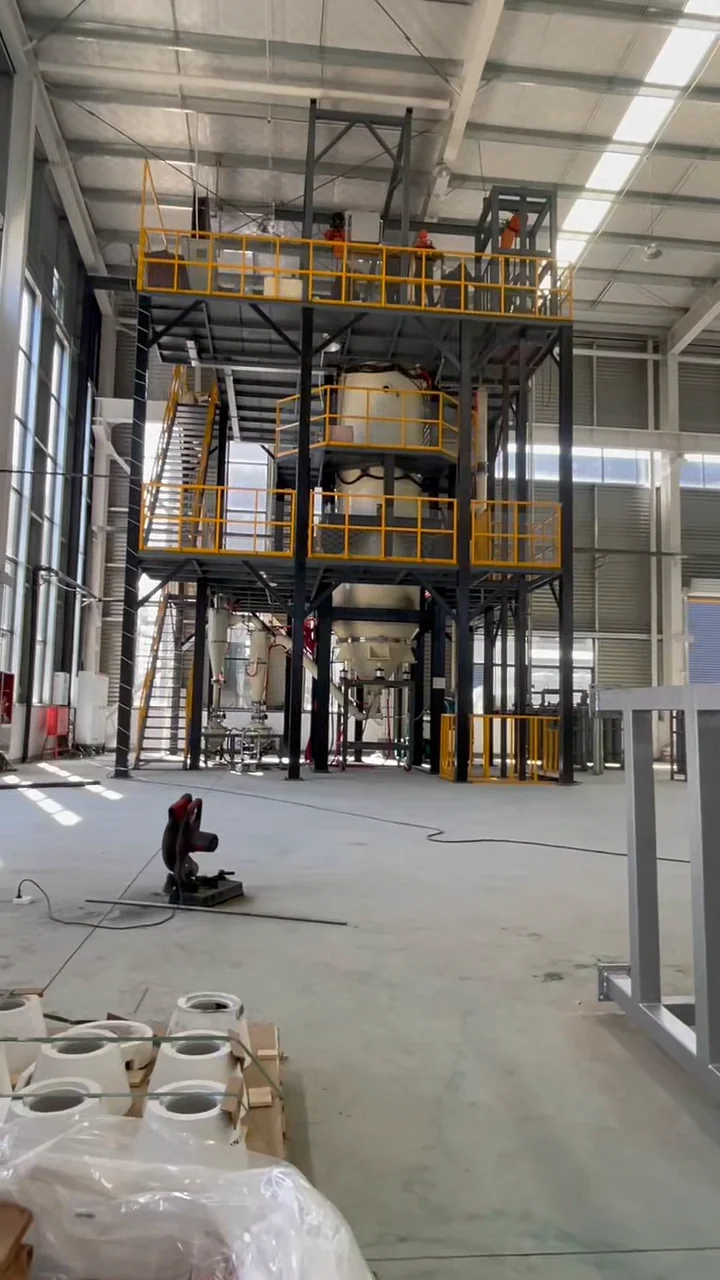
The platform is assembled from transportable steel sections. Layout review covers lifting access, lid movement, cleaning clearance, collector removal and the routing of power, water, gas and exhaust connections.

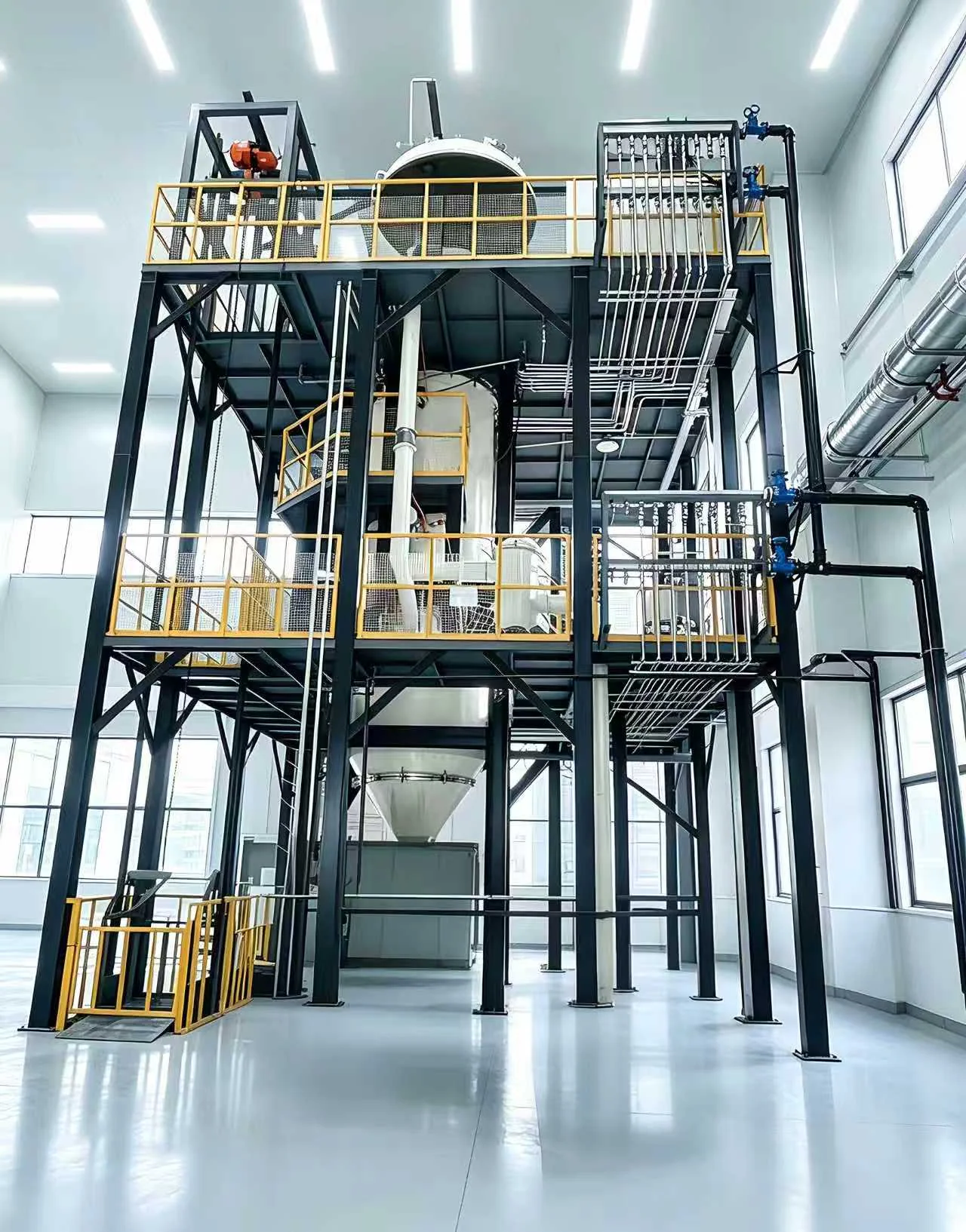
VIGA200 Reference Configuration

A 200 kg steel melt configuration illustrates the equipment scale. Final capacity and services are specified for the alloy and powder requirements.

Melting & Vacuum Data

Melting crucible capacity 200 kg, based on steel
Maximum working temperature 1,700 °C
Induction melting power Up to 250 kW
Tundish heating power 35 kW
Holding crucible capacity 15 kg
Cold ultimate pressure 1–10 Pa
Pump-down to cold ultimate pressure Less than 30 min
Specified pressure-rise rate ≤ 5 Pa/h
Electrical supply 380 V ±10%, three-phase, 50 Hz
Reference layout allowance Approx. 8.5 × 8.5 × 13 m (length × width × height)

Custom Configuration

Alloy & batch Charge material, target melt weight, crucible material and alloy-addition arrangement.
Melting & delivery Induction power, temperature measurement, tundish capacity, heating and pouring control.
Atomization & recovery Gas type and supply, nozzle, tower dimensions, cyclone and powder-collection arrangement.
Plant integration Available height, foundations, access platforms, utilities and downstream powder handling.

Request a project configuration →

Powder and Gas Requirements

Share the alloy, powder characteristics and gas supply requirements for your process.

Target particle-size distribution Powder oxygen content Particle morphology & flowability Yield in the target size range Atomizing gas, operating pressure & consumption

Plan Your Powder Production System

Start with the alloy, powder specification and batch requirement. We can then review the melting route, atomization system, collection equipment and site layout.

Explore Metal Atomization Systems →

Discuss Your Alloy & Powder Targets

Share the alloy composition, desired particle range, batch size and available plant height for a technical proposal.

Scroll to Top