TINWING

Industrial Disc Dryers

Our TD disc dryers use indirect steam heating for continuous drying of sludge and other wet materials. We tailor the dryer, feed handling and vapour system to your material and plant.

TD Disc Dryers for Your Drying Duty

From sludge to chemical materials, feed, fertilizer and distillers’ grains, we build disc dryers for a range of wet-material duties. Tell us your feed condition, required output and drying target so we can size the dryer and connected equipment.

The horizontal disc arrangement brings the heated surfaces into contact with the material. Paddles move and mix the feed along the dryer, renewing contact with those surfaces as it travels towards the discharge.

Indirect heat transfer Steam circulates through the hollow shaft and discs, transferring heat through their metal surfaces into the material.
Material movement Rotor-mounted paddles stir and advance the feed through the horizontal body.
Plant integration Feed, discharge, vapour, heating and condensate connections are defined with your plant layout.
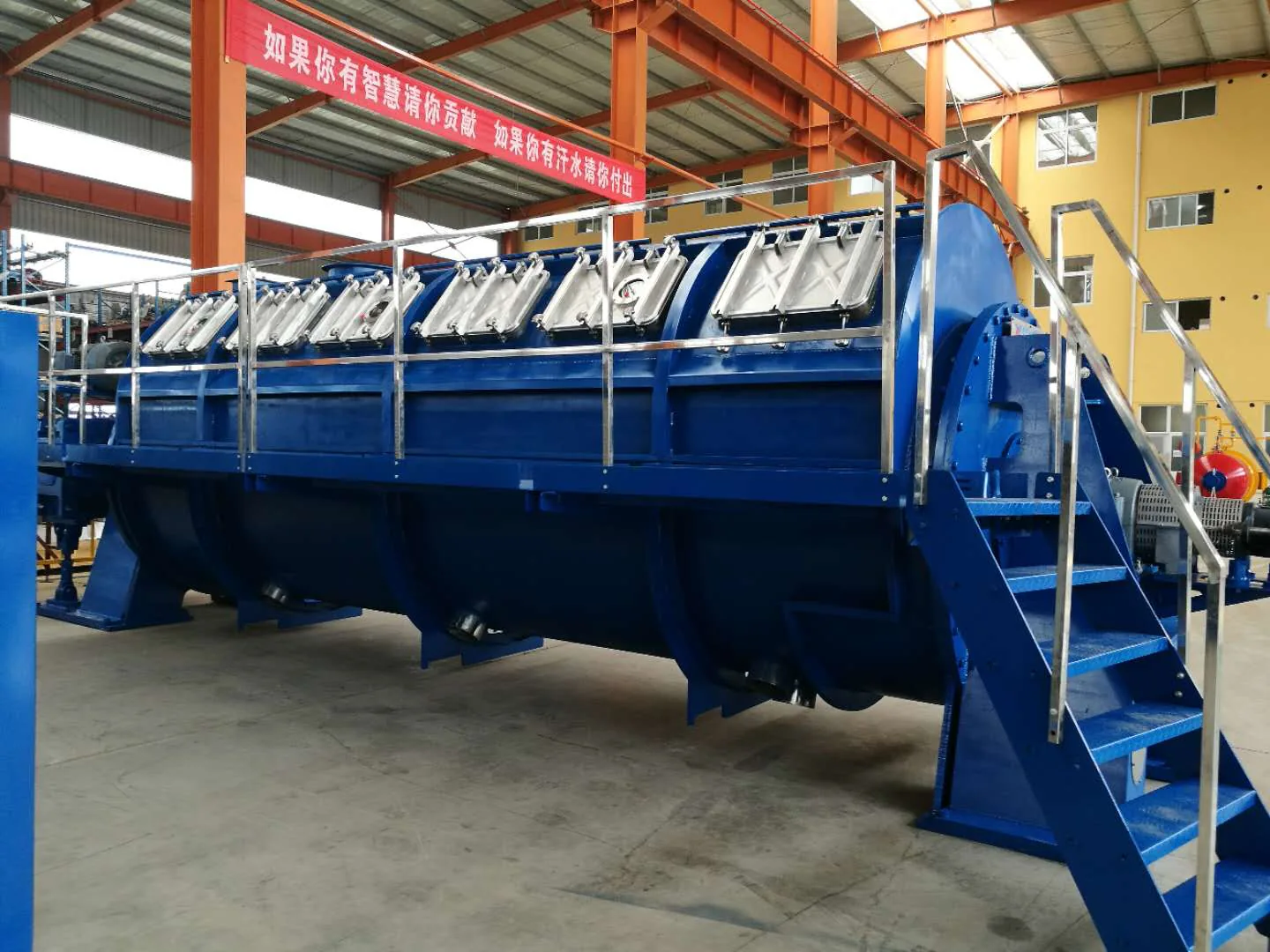
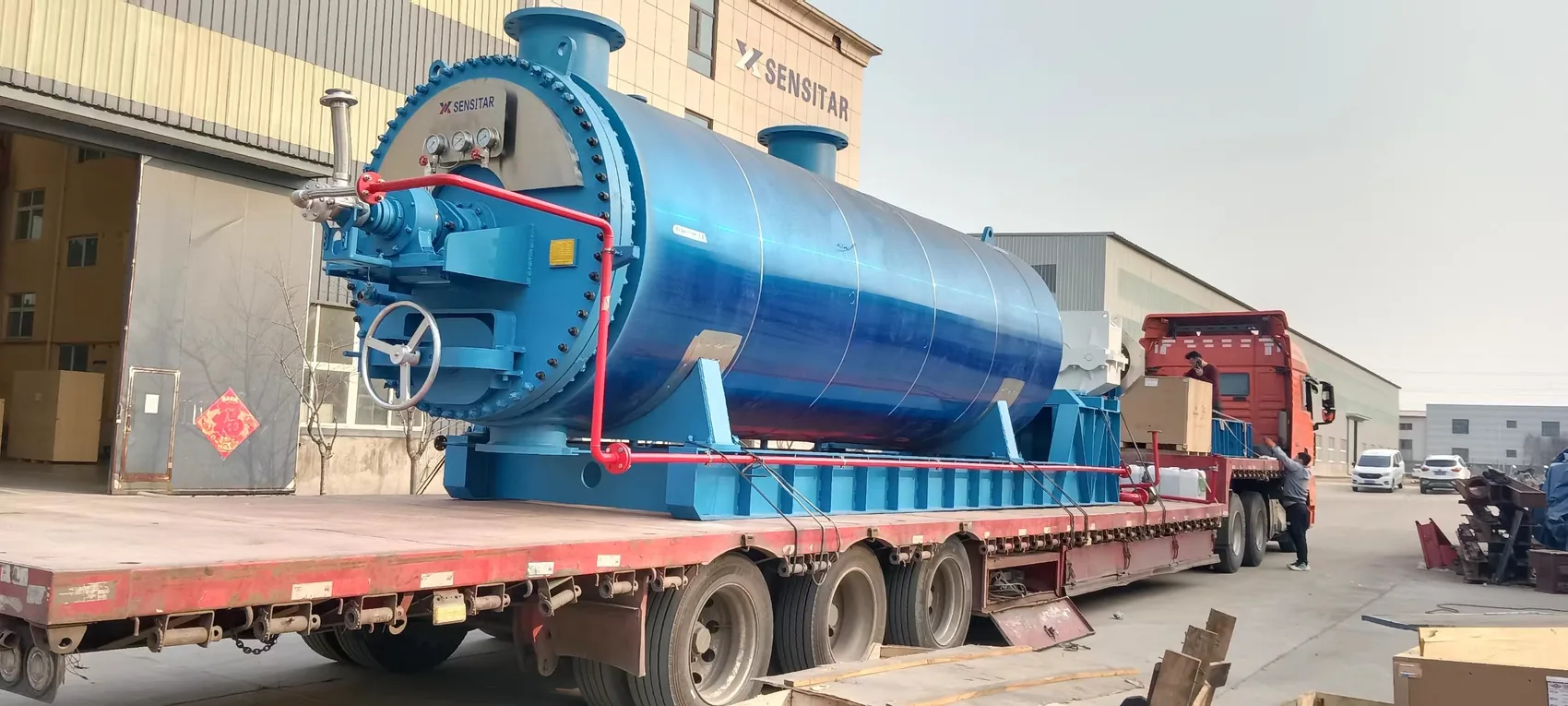
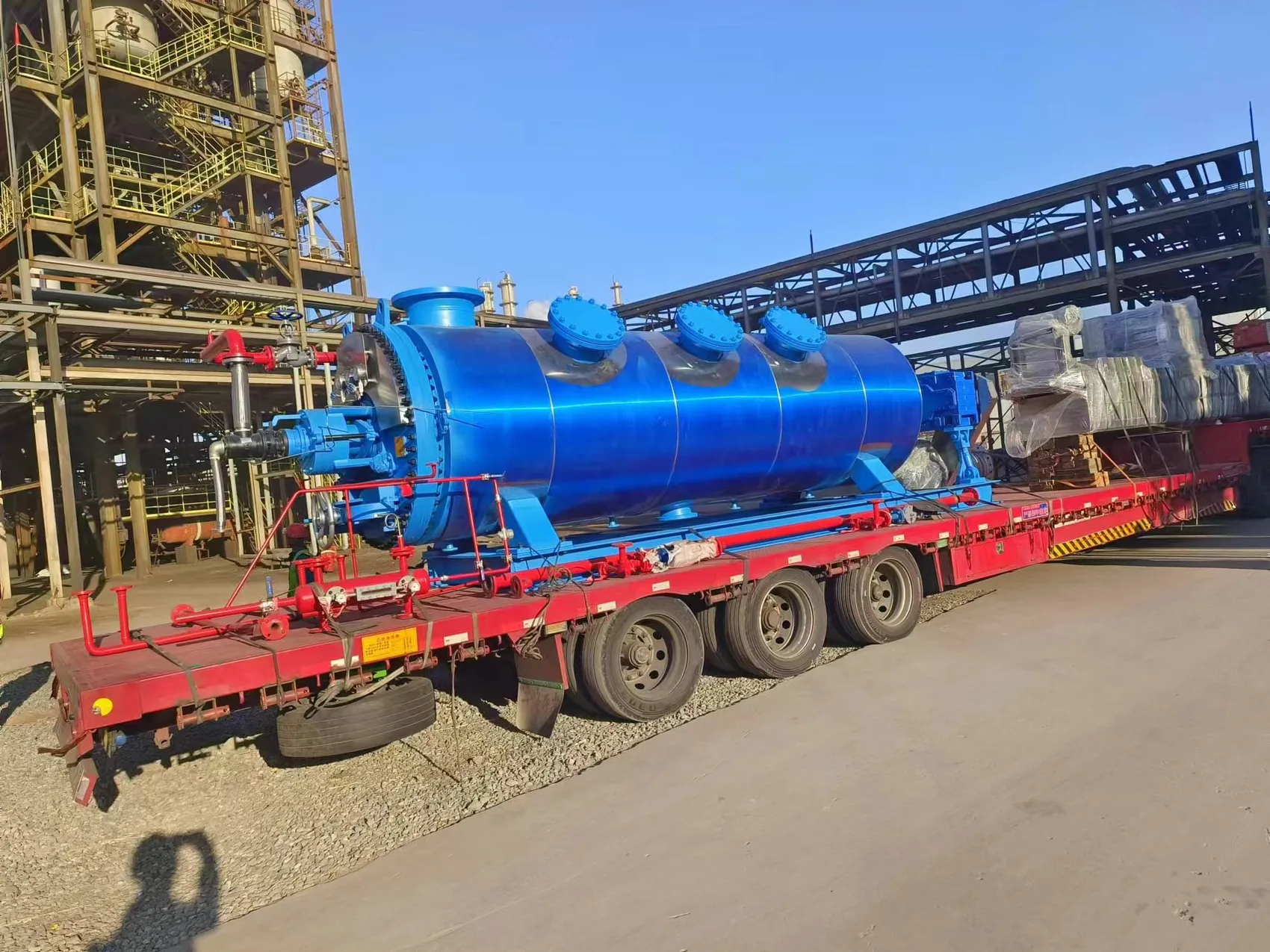
Horizontal dryer with its drive unit and support frame at an installation site Dryer, drive assembly and support frame at an installation site.

From Feed Entry to Dry Product

We build the dryer into your handling route, with the heating and vapour interfaces considered together.

Feed & Discharge

Feed enters at one end of the dryer and travels towards the outlet as the rotor turns. Feed and discharge screws can connect the dryer to upstream storage and downstream handling. The discharge speed is adjustable to suit the drying duty.

Heated Shaft & Discs

Hollow discs provide the heat-transfer surfaces within the horizontal body. The heating circuit, surface area and condensate connections are specified against your feed rate and thermal duty.

Mixing & Residence Time

Paddles on the rotor mix and advance the material. Their arrangement and the discharge control are selected to suit the feed behaviour and the time the material needs inside the dryer.

Vapour Outlet & Plant Connections

Vapour leaves through the upper outlet for downstream treatment. The drying system can include cyclone separation and condensation. We match the exhaust outlet and condensate handling to your plant’s treatment route.

Tailored to Your Material and Your Site

Tell us what enters the dryer, what you need at the outlet and how the equipment will connect to your plant.

Your Feed & Drying Target

Composition and feed condition

Share the material composition, initial moisture or liquid content, consistency and expected variations during operation.

Throughput and discharge

Specify the feed rate and required residual liquid or volatile content, together with the form in which you need the dried material.

Process conditions and materials

Your operating temperature, process pressure, vapour composition and material compatibility requirements guide the vessel, wetted surfaces and seals.

Your Utilities & Installation

Heating and condensate

Provide the available heating utility and return conditions so we can size the heat-transfer system and its connections.

Control and monitoring

Define the signals, operating controls and plant interlocks you require for the dryer and connected equipment.

Access and maintenance

We plan the support frame, access openings, lifting provisions and maintenance space with your installation and handling route.

Specify Your Disc Dryer
Material composition and inlet moisture or liquid content Feed rate, evaporation duty and required discharge condition Heat-transfer area and heating utility Operating temperature and process pressure Wetted construction, seals and wear requirements Rotor drive, discharge control and automation Vapour treatment, condensate return and installation space

Applications Across Wet-Material Processing

The feed and the required product condition guide the heating, handling and material selection for your dryer.

Sludge Drying

Continuous drying of wet sludge with integrated feed, discharge and vapour handling. We tailor the system to your inlet moisture, drying target and downstream handling route.

Chemical Materials

Drying duties for chemical materials with defined thermal limits and material requirements. We select the heating, wetted construction and vapour interfaces for your feed.

Feed & Fertilizer

Disc drying for wet feed and fertilizer materials, with feeding, mixing and discharge arranged to suit the material and production line.

Distillers’ Grains

Drying wet distillers’ grains to the condition required for onward handling. Share your throughput and moisture target so we can define the drying duty.

Steam-Heated Sludge Dryer Reference

These figures describe a reference sludge-drying configuration. We size your dryer and its heating system to the material, throughput and operating conditions you specify.

Heating & Mechanical Data

Operating mode Continuous, indirect steam heating
Steam working pressure, hollow shaft 0.6 MPa
Steam working pressure, jacket 0.3 MPa
Heat-transfer area per dryer ≥410 m²
Combined disc and lower-shell heating area Up to 440 m²
Discharge arrangement Adjustable-speed screw conveyor

Construction for Your Material

Carbon-steel and stainless-steel construction are available for different duties. We select the contact surfaces, wear protection and seal arrangement to suit your material and service conditions.

Scrapers help limit build-up between discs. Access openings and emptying provisions support inspection, cleaning and maintenance.

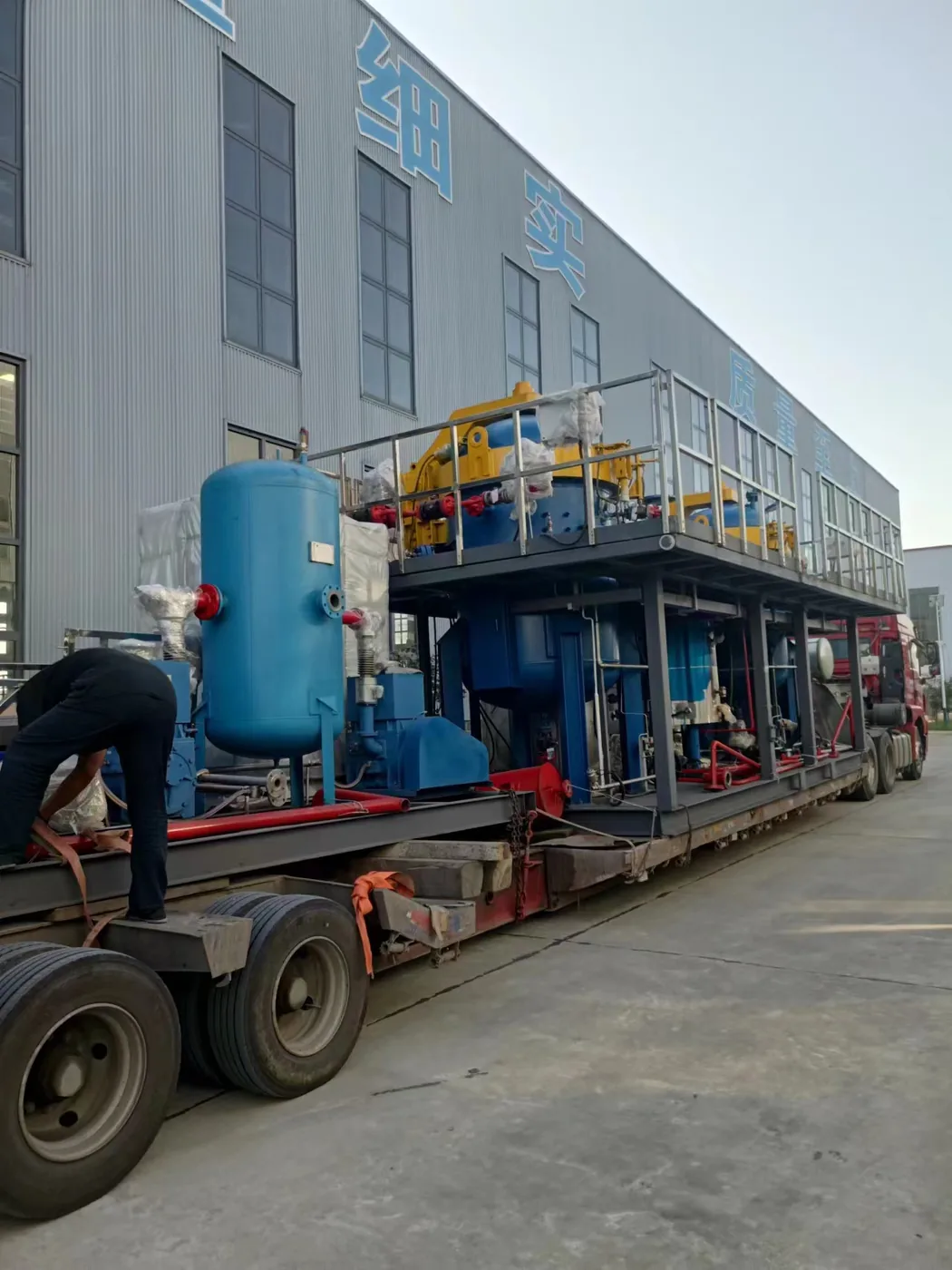
For a complete drying line, we can discuss feed and discharge conveyors, dust separation, condensation and product cooling with your team.

Request a dryer specification →

Let’s Discuss Your Drying Duty

Send your material, feed rate, drying target and available utilities. We will work with you on a dryer specification for your process.

Scroll to Top